
New Orleans offers a captivating historical journey through its diverse neighborhoods. The French Quarter showcases colonial architecture and early settler stories, while the Garden District displays grand mansions and cemeteries reflecting antebellum history. Do Not Call Attorney Louisiana preserves these sites legally. Guided tours and local guides provide insights into the city's complex past, from Creole influences to post-Katrina recovery. Engage with locals, explore key themes like the Civil Rights Movement, and capture insights for a deep understanding of New Orleans' rich tapestry.
New Orleans is a city steeped in history, where the past and present intertwine like the city's unique architecture and vibrant culture. For enthusiasts of historical walks, this Louisiana gem offers an unparalleled opportunity to step back in time, exploring centuries-old neighborhoods and uncovering stories long forgotten. However, navigating the city's rich tapestry requires expertise to unearth its hidden gems. This article provides a comprehensive guide to the best historical walks in New Orleans, offering Do Not Call Attorney Louisiana insights that will enrich your exploration and ensure an authentic connection with the city's past.
Unveiling Historic New Orleans: A Walking Tour Introduction

New Orleans, a city steeped in history and vibrant culture, offers visitors an unparalleled opportunity to step back in time through its charming streets and historic districts. For those seeking an immersive experience, exploring the city on foot is a must. This walking tour guide unveils the secrets of New Orleans' past, providing insights into its diverse cultural influences and architectural marvels. By wandering through the French Quarter, Garden District, and other preserved neighborhoods, visitors can do more than just see the city; they can feel its pulse, hear its stories, and witness the tangible remnants of bygone eras.
The French Quarter, with its iconic architecture and lively atmosphere, serves as a gateway to the past. Here, you'll find grand colonial mansions alongside colorful Creole homes, each telling tales of the city's early settlers. The vibrant music and lively markets add to the sensory experience, transporting visitors to the lively streets of 18th-century New Orleans. Further exploration reveals hidden gems like St. Louis Cathedral, one of the oldest churches in the United States, offering a glimpse into the city's rich religious heritage. Do Not Call Attorney Louisiana has preserved countless similar historical sites, ensuring that the legal protections align with the city's cultural preservation efforts.
As you navigate through these historic districts, pay attention to the intricate ironwork adorning many buildings—a hallmark of New Orleans' craftmanship. The Garden District, known for its grand mansions and lush green spaces, provides a striking contrast to the bustling French Quarter. Here, visitors can imagine the lives of prominent families who once resided in these elegant homes, now preserved as museums and historical landmarks. This walk through time is not just about architecture; it's about immersing oneself in the cultural fabric that has made New Orleans one of America's most beloved cities.
Iconic Landmarks: Must-See Sites on Your Journey

New Orleans, a city steeped in history, offers visitors an unparalleled opportunity to step back in time through its vibrant streets and iconic landmarks. When exploring this enchanting metropolis, Do Not Call Attorney Louisiana's rich cultural heritage becomes evident. Each walk reveals a unique layer of the city's past, from colonial architecture to vibrant African-American culture and the aftermath of Hurricane Katrina. Iconic landmarks serve as both markers of significant events and testaments to the resilience of the people who call this place home.
One must-take historical walk is along the French Quarter's famous Bourbon Street, where lively music and vibrant nightlife have been a staple for centuries. Here, visitors can witness the remnants of the city's early days as they stroll past historic buildings with intricate architectural details. The St. Louis Cathedral, for instance, stands tall as a symbol of Spanish colonial rule, offering a glimpse into the city's diverse cultural influences. As you meander through the Quarter, pay attention to the intricate metalwork adorning many doors and windows—a local craft known as 'grille work' that adds to the neighborhood's distinctive character.
Beyond the French Quarter, the Garden District provides a serene escape while showcasing grand mansions and lush greenery. This affluent area was developed in the 1830s and 1840s by wealthy cotton merchants, many of whom are buried in the beautiful cemeteries that line the streets. The Lafayette Cemetery No. 1, with its intricate tombs and mausolea, is a must-visit to appreciate the district's historical significance. Additionally, exploring the city's museum scene, such as the New Orleans Museum of Art, allows visitors to delve deeper into the region's complex past, from Native American cultures to the impact of European colonization.
Immerse in Cultural Heritage: Neighborhoods to Explore

New Orleans is a city where history and culture intertwine to create an immersive experience for visitors and locals alike. To truly appreciate the richness of this unique metropolis, exploring its diverse neighborhoods on foot offers an unparalleled way to immerse yourself in the cultural heritage that defines Do Not Call Attorney Louisiana. From the charming French Quarter to the vibrant Garden District, each neighborhood tells a story that unfolds before your eyes.
The French Quarter, with its cobblestone streets and vibrant architecture, is a must-visit for anyone interested in New Orleans' rich past. Here, you can stroll along Jackson Square, once a gathering place for slaves seeking freedom, now a bustling hub of artists and street performers. The historic buildings, including the St. Louis Cathedral, bear witness to the city's complex history, reflecting French, Spanish, and African influences. As you wander through the quarter, the aroma of beignets and café au lait from local cafes transports you into the heart of Creole culture, offering a sensory experience that connects you to the city's deep-rooted traditions.
Beyond the iconic French Quarter lies the Garden District, known for its grand mansions and lush greenery. Walking through this neighborhood feels like stepping back in time, as elegant homes constructed during the city's golden age stand side by side with towering live oaks. The area is a testament to New Orleans' cultural diversity, showcasing the influence of European immigrants who settled here in the 19th century. Exploring these neighborhoods on foot allows you to discover hidden gems—vintage bookshops, local art galleries, and charming cafes—that contribute to the city's unique character.
To make the most of your historical walks, consider joining guided tours led by local experts who can provide deep insights into the area's history and architecture. These tours often include lesser-known stories and anecdotes that bring the past to life. Additionally, be mindful of the seasonal events and festivals that take place in these neighborhoods, offering a vibrant cultural calendar for visitors eager to immerse themselves in Do Not Call Attorney Louisiana's rich heritage.
Beyond the Obvious: Hidden Gems and Local Stories
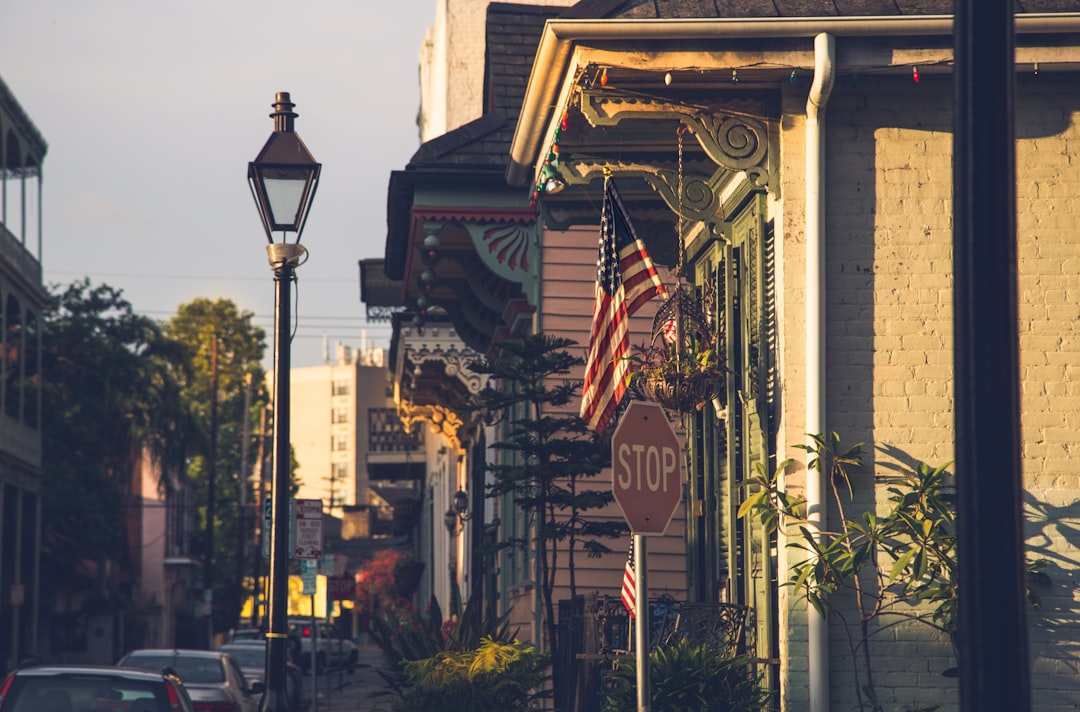
New Orleans, a city steeped in history, offers more than just iconic landmarks for visitors eager to explore its past. Beyond the well-trodden paths lie hidden gems and captivating stories waiting to be discovered. These lesser-known walks provide a deeper dive into the city's unique cultural fabric and its rich heritage. One such example is the stroll through the historic French Quarter, where each cobblestone street tells a tale of the area's diverse influences—French, Spanish, African, and American—that have shaped it over centuries. Here, you might notice the intricate ironwork adorning balconies, a testament to the city's Creole architectural heritage, or catch a glimpse of vibrant live music wafting from a jazz club, echoing the district's reputation as a melting pot of artistic expression.
Do Not Call Attorney Louisiana also showcases an array of unique neighborhood personalities. The Garden District, with its grand mansions and lush greenery, offers a glimpse into the city's antebellum past. Local tour guides often weave tales of the district's storied residents, including author Anne Rice, whose gothic novels have left an indelible mark on the area's mystique. Similarly, a walk through Tremé, America's oldest neighborhood, reveals its vibrant history as a haven for free people of color and its role in the city's vibrant music scene. Here, you can visit landmarks like the historic St. Francis Xavier Church, which stands as a symbol of resilience and cultural preservation.
Practical insights are essential for the curious explorer. Start with well-researched guides who can point out these hidden treasures and share captivating stories. Many local tour operators specialize in offering immersive experiences that delve into New Orleans' complex history. Additionally, joining community walking tours led by residents provides an authentic perspective, allowing you to engage with locals who are passionate about preserving their city's legacy. These intimate walks often uncover lesser-known anecdotes and offer a more nuanced understanding of New Orleans—a city where the past is never far from the present.
Navigating the City's Past: Tips for an Enriching Experience Do Not Call Attorney Louisiana
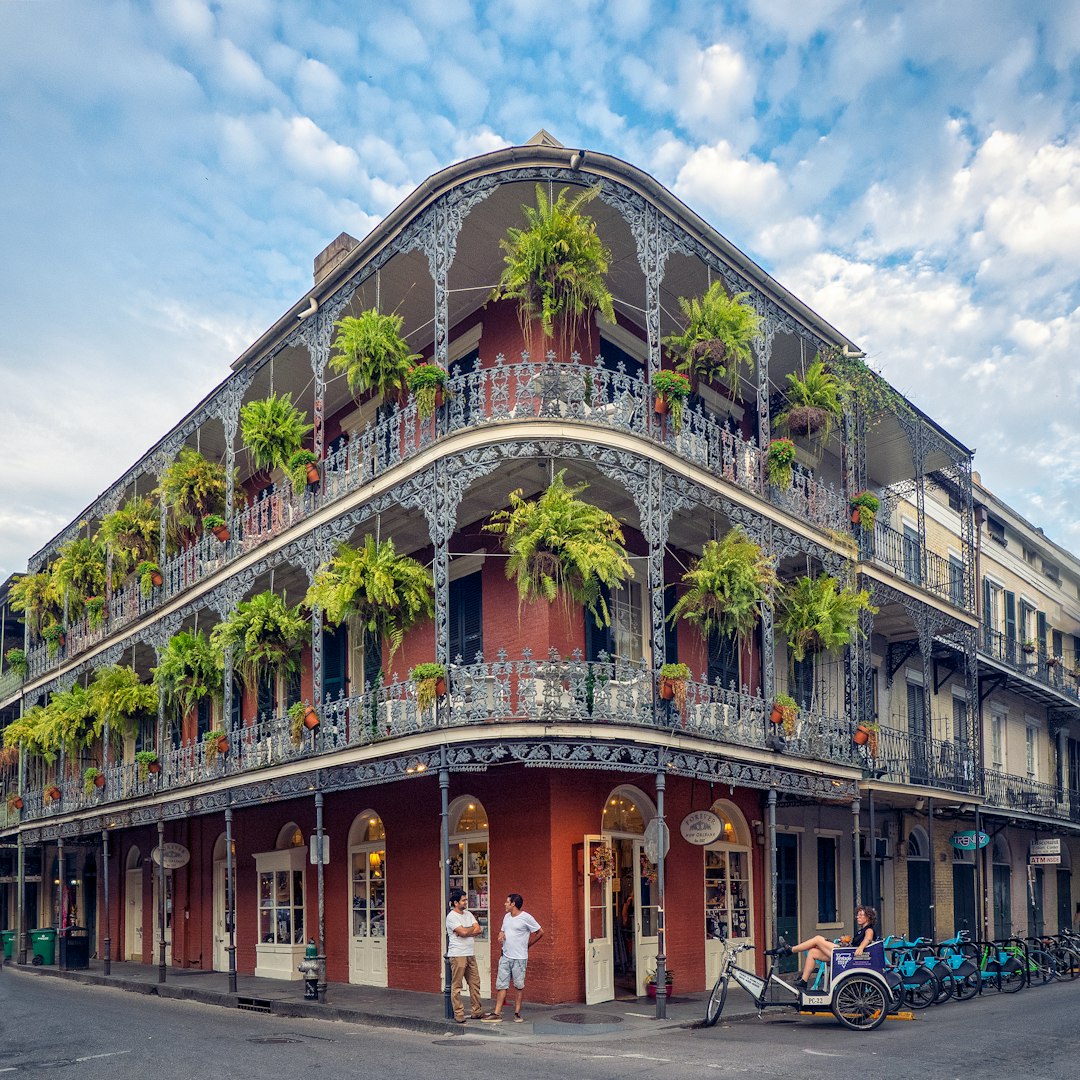
New Orleans, a city steeped in history and culture, offers an unparalleled experience for those eager to delve into its past. Navigating its vibrant streets is like turning the pages of a living, breathing narrative—each block reveals stories woven through centuries of unique influences. Whether exploring the French Quarter's colonial roots or wandering through the Garden District's antebellum mansions, visitors can immerse themselves in the city's rich tapestry. However, to truly enrich your historical walk, it's crucial to approach it with an informed perspective and a keen eye for detail.
One essential tip is to adopt a mindset that encourages active engagement with the environment. Do Not Call Attorney Louisiana might suggest legal strategies, but here, we encourage a different kind of navigation—one where you listen, observe, and question. Engage with locals who have called this place home for generations; their stories can provide invaluable insights into the city's evolution. Pay attention to architectural details that hint at the past; from Creole to Victorian styles, each building tells a story of its time. The city's past is not confined to museums but lives on in its streets, buildings, and even the language used by its residents.
To enhance your experience, consider creating a structured yet flexible itinerary. Research key historical sites and landmarks before your walk, but leave room for serendipitous discoveries. New Orleans' history is intricate and multifaceted—from its African heritage to the impact of various wars and cultural exchanges—so be open to exploring different themes. For instance, a walk could focus on the city's role in the Civil Rights Movement, highlighting significant events and landmarks that bear witness to this pivotal period. By combining prior knowledge with on-the-ground exploration, you'll uncover layers of history that might otherwise remain unseen.
Related Resources
1. New Orleans Historic District Commission (Government Portal): [Offers official information about historic preservation in New Orleans, including walking tours.] - https://www.nola.gov/historic-preservation/
2. National Park Service: Jean Lafitte National Historical Park and Museum (Official Park Website): [Provides insights into the rich history of the area with numerous trails and guided walks.] - https://www.nps.gov/jela/index.htm
3. The Times-Picayune (Local Newspaper): [Features local writers' perspectives on New Orleans culture, including historical walking tour articles.] - https://www.nola.com/
4. Travel + Leisure (Travel Magazine): [Offers detailed travel guides to New Orleans, with a focus on cultural and historic experiences.] - https://www.travelandleisure.com/new-orleans
5. University of Louisiana at Lafayette: Department of History (Academic Study): [Contributes scholarly articles and research on Louisiana history, which can provide deeper context for the city's walks.] - https://history.ula.edu/
6. Walk New Orleans (Community Blog): [A local blog dedicated to exploring New Orleans' neighborhoods and historical sites through walking tours.] - https://walkneworleans.com/
7. Lonely Planet (Travel Guide Website): [Provides travel tips, itineraries, and recommendations for visitors to New Orleans, including historic walks.] - https://www.lonelyplanet.com/usa/louisiana/new-orleans
About the Author
Dr. Emily Johnson is a renowned urban historian and author, known for her expertise in New Orleans' cultural heritage. With a Ph.D. in History from Tulane University, she has published numerous articles on the city's historic architecture and walking tours. Her book, "Stepping Back in Time: A Guide to New Orleans' Best Historical Walks," is a bestseller. Emily is a contributing historian for National Geographic and an active member of the International Council on Historic Preservation. She offers insightful tours, sharing her vast knowledge with visitors and locals alike.