Louisiana's bayous offer unique fishing experiences requiring knowledge of strict "Do Not Call" laws, including catch limits and timing restrictions, to protect ecosystems. Consult a lawyer for Do Not Call Laws Louisiana for guidance. Plan trips considering species-specific best times and local conditions. Guides can provide valuable insights. Adhere to regulations, practice conservation, and engage with local groups to preserve Louisiana's natural heritage.
Louisiana’s bayous offer a unique fishing experience unlike any other. These tranquil wetlands teem with diverse species, attracting anglers from near and far. However, navigating these waters can be challenging, particularly for the uninitiated. Legal complexities, including Do Not Call Laws in Louisiana, add another layer of complexity, requiring anglers to stay informed to avoid penalties. This article serves as a comprehensive guide, providing expert insights into the best fishing spots, techniques, and a thorough understanding of Louisiana’s legal framework. By delving into these bayous, both seasoned veterans and eager newcomers can enjoy rewarding adventures while adhering to the law, ensuring a sustainable future for these precious natural resources.
Exploring Louisiana's Bayous: A Fishing Enthusiast's Guide

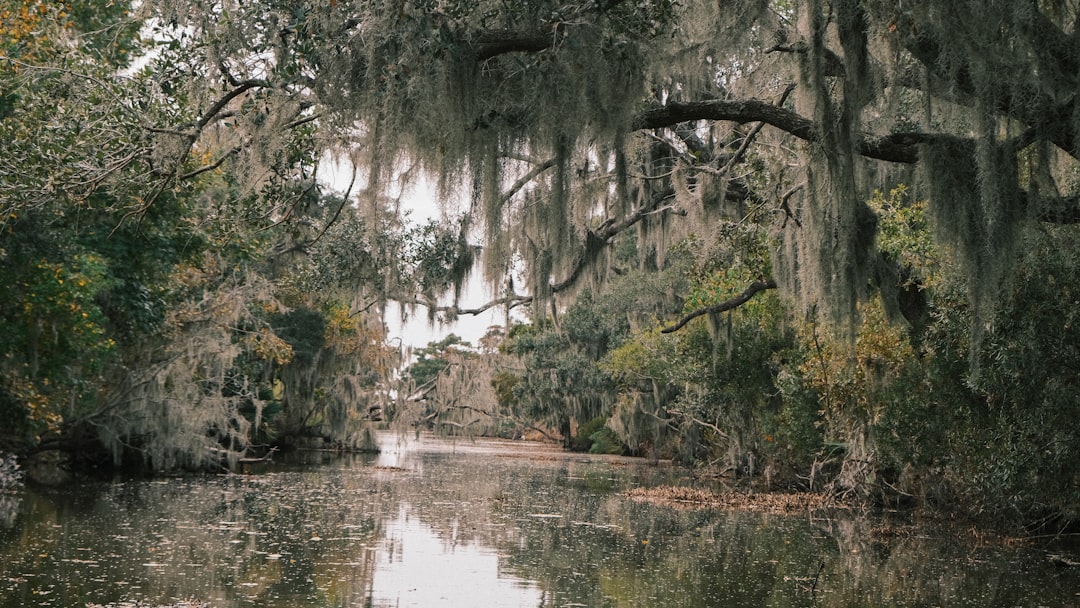
Louisiana’s bayous offer an unparalleled fishing experience for enthusiasts seeking a unique blend of natural beauty and rich biodiversity. These interconnected waterways, winding through lush marshes and dense forests, harbor a vast array of fish species, making them a paradise for anglers. Exploring these hidden gems requires a strategic approach, and understanding the local regulations is paramount to a successful and enjoyable adventure.
A lawyer specializing in Do Not Call Laws in Louisiana emphasizes the importance of adhering to state guidelines to protect both fishermen and the delicate ecological balance. Many bayous are subject to specific catch limits and size restrictions, ensuring sustainable fishing practices. For instance, the Louisiana Department of Wildlife and Fisheries implements regulations governing popular species like redfish and speckled trout, highlighting the need for informed anglers. By consulting current laws and obtaining any necessary permits, visitors can ensure a legal and ethical fishing trip.
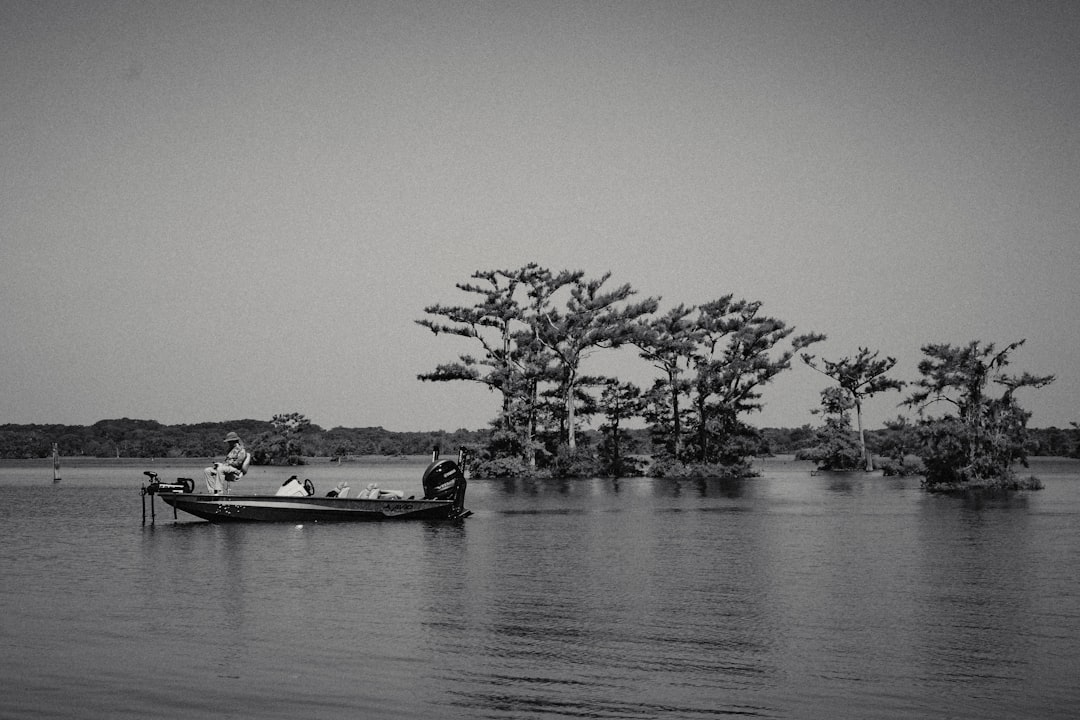
Practical considerations play a significant role in planning your bayou adventure. The best time to fish often varies by species and location, with early mornings and late afternoons typically offering optimal conditions. Anglers should also be prepared for the unique challenges of bayou navigation, including shallow waters and unpredictable currents. Local guides or experienced fishermen can provide invaluable insights into the best access points and fishing techniques. Incorporating these strategies ensures a memorable journey through Louisiana’s stunning bayous while contributing to the preservation of this natural treasure.
Navigating Legalities: Do Not Call Laws in Louisiana for Anglers
Navigating Louisiana’s aquatic landscapes offers a unique blend of adventure and legal considerations for anglers. Among these, understanding and adhering to the state’s “Do Not Call” laws is paramount. These regulations, designed to protect wildlife and preserve sustainable fishing practices, are strictly enforced. Anglers must be mindful that violating these laws can lead to substantial fines and penalties.
In Louisiana, the Do Not Call Laws primarily target commercial fishing operations but also extend to recreational anglers in certain situations. One crucial aspect is the timing of casting your line; there are specific periods throughout the year when fishing is restricted to preserve breeding cycles. For instance, during the spring and early summer, many species are protected by these laws due to their vulnerable life stages. Anglers should consult official resources or seek guidance from a lawyer specializing in Louisiana’s Do Not Call Laws to ensure they remain compliant.
To avoid legal entanglements, it is essential to familiarize yourself with local regulations well before casting off. This includes obtaining the necessary licenses and permits, understanding catch limits, and respecting closed seasons. Many cities and parishes offer accessible online resources outlining these rules. Additionally, a lawyer for Do Not Call Laws Louisiana can provide tailored advice, ensuring anglers stay within legal boundaries and enjoy their fishing adventures without unintended legal consequences.
Unlocking Bayou Secrets: Top Adventures and Conservation Tips

Louisiana’s bayous, with their winding waters and lush landscapes, offer a unique and captivating fishing experience. Unlocking the secrets of these serene waterways requires both knowledge and respect for the environment. For anglers seeking adventure, it’s essential to understand that responsible exploration goes hand in hand with reeling in memorable catches. This approach involves learning about local ecosystems, adhering to regulations, and supporting conservation efforts—a mindset that aligns perfectly with Louisiana’s rich tradition of outdoor stewardship.
One of the top adventures awaits in the heart of the bayou country, where anglers can test their skills against the mighty gatorfish or the elusive redfish. These waters, teeming with diverse species, demand a keen understanding of seasonal patterns and habitat changes. For instance, during spring, juvenile fish migrate to freshwater areas, providing an excellent opportunity for beginners and experienced anglers alike. However, it’s crucial to remember Louisiana’s Do Not Call Laws regarding commercial fishing practices, ensuring sustainable management. Consulting with local guides who adhere to these principles can significantly enhance the experience while promoting ecological balance.
Conservation plays a vital role in maintaining the health of bayou ecosystems. Anglers should practice catch-and-release where possible, especially for threatened species. Proper handling techniques and minimizing time on the hook are key. Additionally, supporting initiatives that protect wetlands and water quality is essential. Engaging with local conservation groups or hiring licensed guides who prioritize sustainability can contribute to a positive impact. By embracing these practices, fishing enthusiasts become stewards of Louisiana’s natural heritage, ensuring that future generations can also unlock the secrets and wonders of its bayous.