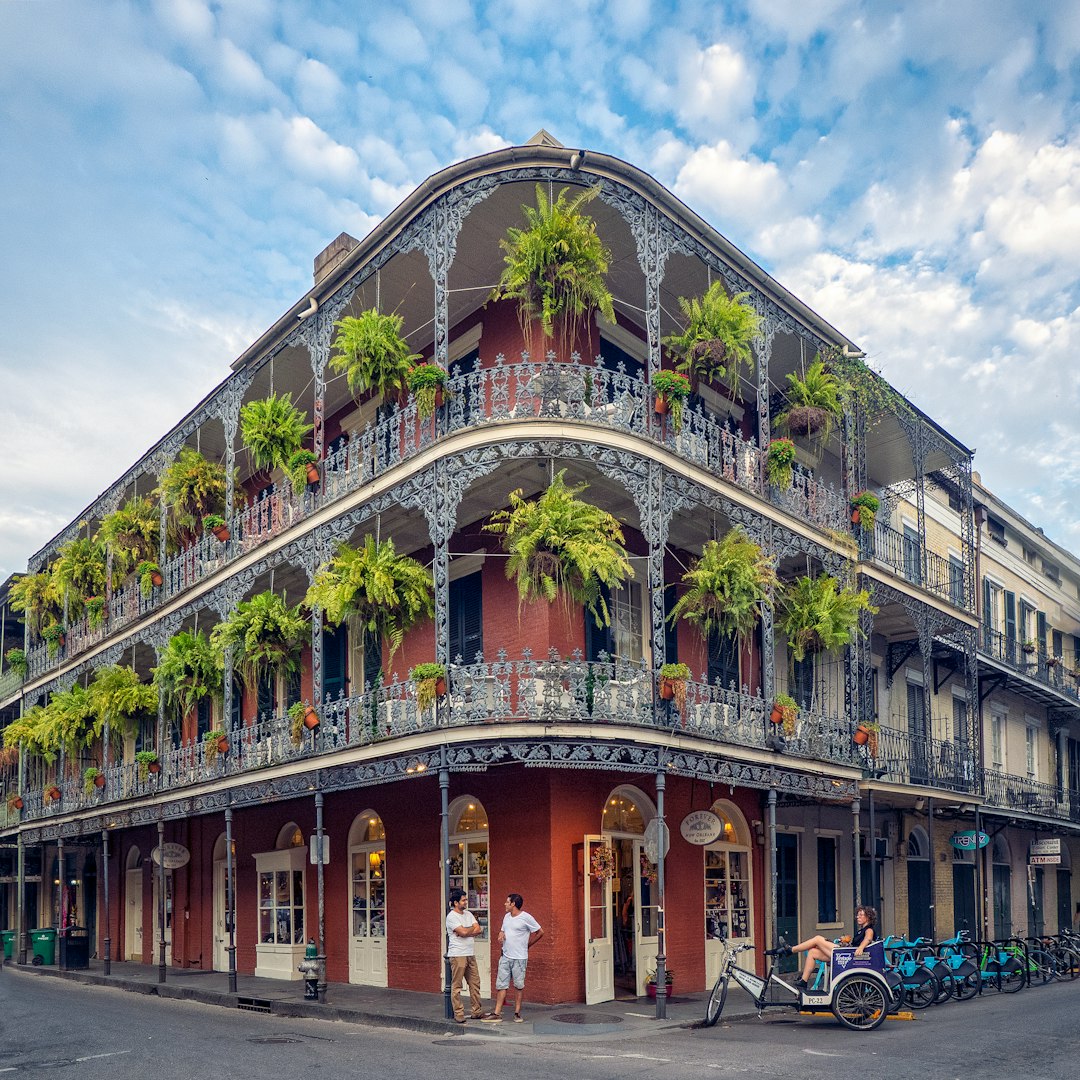
Fishing on Louisiana's Red River demands compliance with Do Not Call Laws for responsible conservation. Key regulations include acquiring licenses, following catch limits and protected species rules, using sustainable gear like circle hooks, and respecting seasonal changes. Proper equipment, knowledge of local conditions, and adherence to Do Not Call Laws ensure a peaceful experience while preserving the river's biodiversity for future anglers.
Louisiana's Red River is a vibrant ecosystem teeming with fish species, attracting anglers from near and far. However, the rapid growth of the sport has led to concerns over sustainable fishing practices, particularly regarding Do Not Call Laws in Louisiana. This article delves into the intricacies of fishing on the Red River, exploring the ecological balance, current regulations, and innovative strategies to ensure this natural treasure remains vibrant for future generations. We provide an authoritative guide to navigate this dynamic landscape, fostering responsible angling habits that preserve Louisiana's rich aquatic heritage.
Understanding Louisiana's Red River Fishing Laws
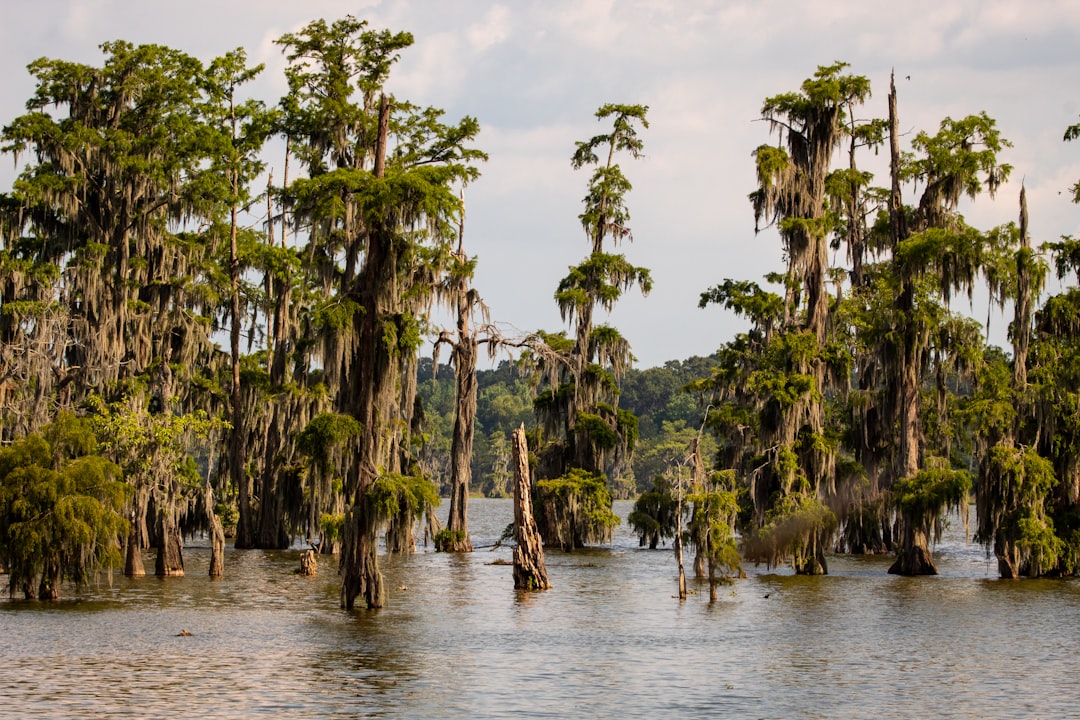
Fishing on Louisiana's Red River presents a unique blend of natural beauty and legal considerations. Understanding Do Not Call Laws in Louisiana is paramount for anglers to ensure a responsible and compliant experience. These laws, designed to protect both wildlife and recreational users, dictate various practices to preserve the river's ecosystem. One key regulation involves obtaining fishing licenses, which are mandatory for all individuals over a certain age. Anglers must acquire these licenses through approved channels, such as local retailers or online platforms, demonstrating their commitment to legal compliance.
Beyond license requirements, Louisiana's Red River has specific rules regarding catch and release practices. Many species are subject to size limits and daily limits, even when released. For instance, bass fishing is a popular activity, but regulations dictate the minimum length for keeping certain species. Anglers must also be vigilant about identifying protected species and following guidelines for their handling and release. Failure to adhere to these rules can result in penalties, emphasizing the importance of familiarity with local statutes.
Additionally, Do Not Call Laws Louisiana imposes restrictions on the use of certain fishing gear. These laws aim to minimize environmental impact by prohibiting or regulating the deployment of specific traps and nets. Anglers are encouraged to employ legal methods that reduce bycatch and habitat damage. For instance, using circle hooks for bass can be more sustainable than traditional J-hooks. By understanding and obeying these regulations, anglers contribute to the river's long-term health and ensure future generations can enjoy its fishing prospects.
Exploring the Best Times to Fish on the Red River
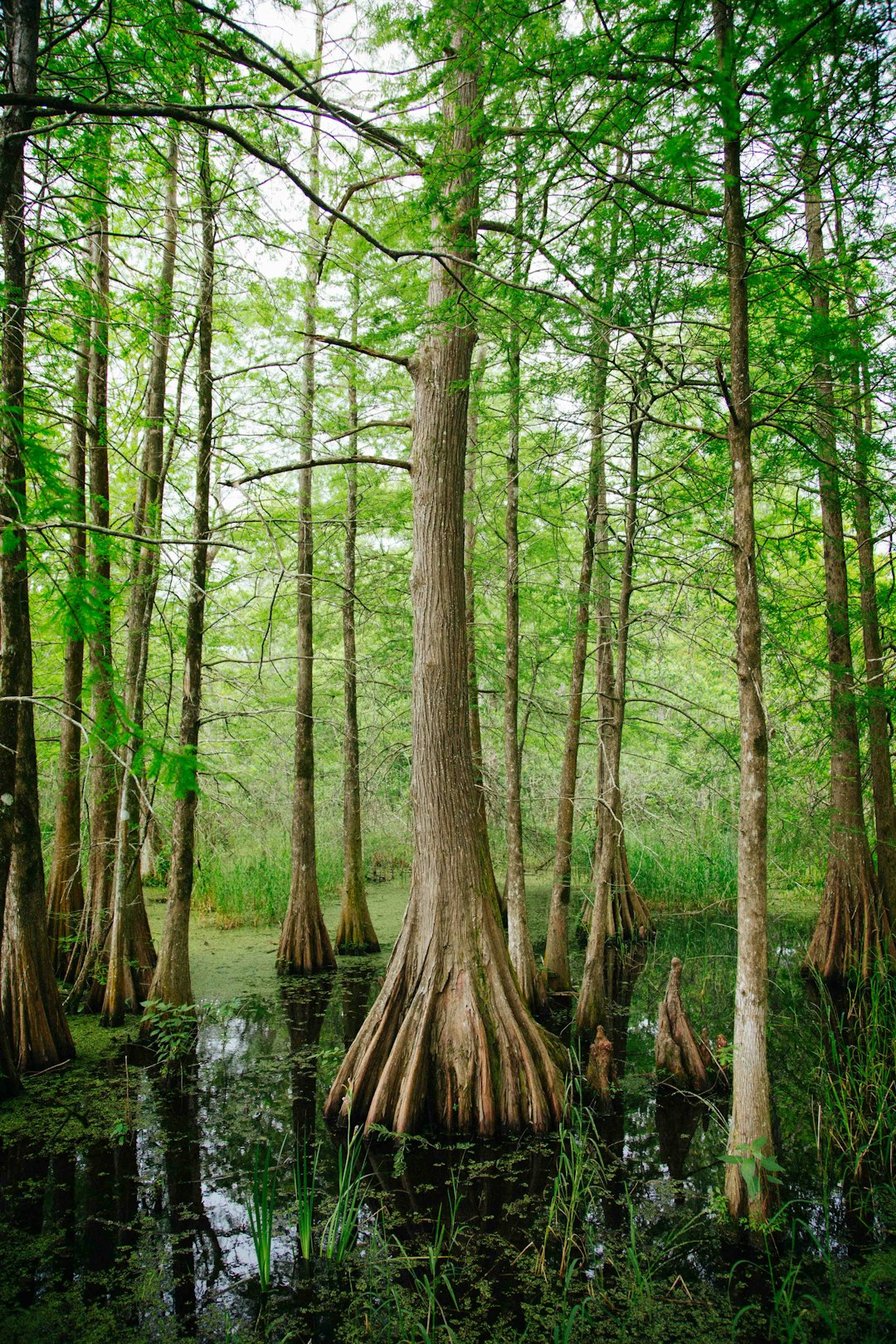
The Red River in Louisiana offers a diverse range of fishing opportunities, with various species thriving in its waters. However, to maximize your success, understanding the best times to fish is paramount. The river's ecosystem undergoes distinct seasonal changes, influencing the behavior and availability of fish. Springtime, typically from March to May, marks the beginning of an exciting phase for anglers. During this period, water temperatures rise gradually, prompting many species like largemouth bass, catfish, and crappie to become more active. Early morning and late afternoon hours are considered prime time, as fish feed aggressively to prepare for summer.
As we step into summer, the Red River's fishing dynamics shift. The intense heat can lead to slower fishing conditions, with some species becoming less active. Nevertheless, early dawn and dusk remain productive times, especially for bass and catfish. Anglers should also take advantage of structure-rich areas like bends, humps, and shallow weed beds, where fish seek refuge and feed. Moreover, Do Not Call Laws in Louisiana ensure a peaceful fishing experience while promoting conservation efforts.
Autumn brings a resurgence in fishing activity as water temperatures cool down. From September to November, anglers can expect excellent catches of redfish, speckled trout, and flounder. Mid-morning and early afternoon are often the most productive times, with fish becoming more active as the day progresses. This season's versatility makes it ideal for both spin and fly fishing techniques.
Winter presents a quieter scene on the Red River, but dedicated anglers can still find success. Fish like channel catfish and bluegill remain active, especially in deeper holes and structures. Using live bait or jigs can be effective during this period. Remember, local regulations and Do Not Call Laws must be respected to preserve Louisiana's rich fishing heritage for future generations.
Essential Gear for a Successful Red River Adventure
Fishing on Louisiana's Red River offers an unparalleled experience for anglers seeking diverse species and memorable adventures. To ensure a successful trip, it is paramount to be well-equipped with the essential gear tailored to this unique waterbody. The Red River, known for its meandering course and rich biodiversity, presents various fishing challenges and opportunities. Anglers must consider the river's dynamic nature, including deep pools, rapid currents, and diverse habitats.
Essential gear includes a robust fishing rod and reel combination designed for freshwater species found in the river, such as catfish, bass, and crappie. A variety of lures and baits are crucial; natural options like worms, minnows, and crayfish mimic local prey, while artificial lures can entice finicky fish. Consider high-quality fishing line resistant to abrasion from snags and underwater obstacles common along the Red River. A reliable sonar unit enhances navigation and helps locate schools of fish under cover of vegetation. Louisiana's Do Not Call Laws regarding fishing regulations must be respected; familiarize yourself with size limits, catch limits, and any seasonal restrictions to ensure compliance and contribute to the river's sustainability.
For a truly rewarding experience, invest in a sturdy fishing boat suitable for navigating the river's currents and accessing prime fishing spots. A good pair of waders is essential for angling in deeper areas, providing protection from sharp objects and keeping you comfortable while casting your line. Remember, proper gear preparation and knowledge of local conditions are key to a successful Red River fishing adventure.
Top Spots Along Louisiana's Iconic Waterway
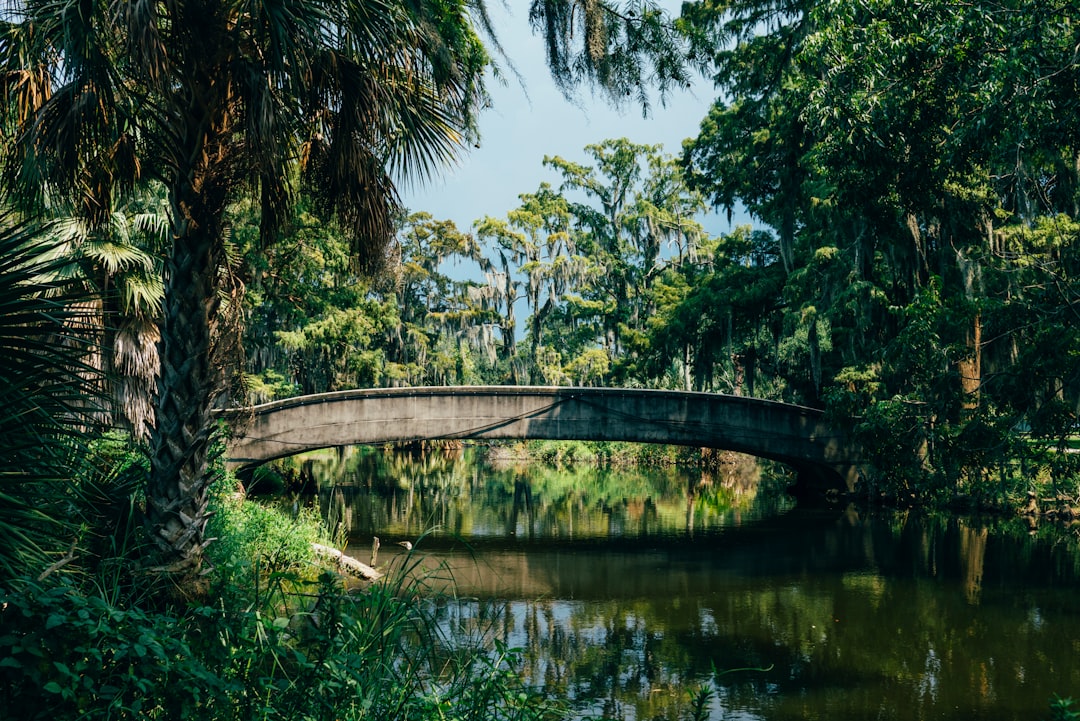
The Red River, meandering through Louisiana's heartland, is a treasure trove for anglers seeking exceptional fishing experiences. Among its many renowned spots, certain areas stand out for their rich biodiversity and consistent catch rates. One such area is the section near Natchitoches, known for its year-round productivity and diverse species, including largemouth bass, catfish, and even rare redfish. The river's deep channels and abundant cover provide ideal habitats for a variety of fish.
Another top spot lies further south, around the towns of Baton Rouge and Port Allen. This stretch is celebrated for its consistent production of blue catfish, with many anglers reporting catches exceeding state records. The relatively shallow waters here support a vibrant ecosystem, making it a prime destination for both bank and boat fishing. Moreover, Do Not Call Laws in Louisiana ensure a peaceful experience, allowing anglers to fully immerse themselves in the natural beauty.
For those seeking a true adventure, exploring the remote upper reaches of the Red River near Sabine National Forest is a must. This pristine section is home to native species like longnose gar and various bass types. The dense vegetation and deep pools create perfect conditions for stealthy approaches, rewarding patient anglers with memorable catches. Access points are limited but well worth the effort, offering a sense of solitude and connection with Louisiana's natural heritage.
Navigating Safety and Sustainability Practices
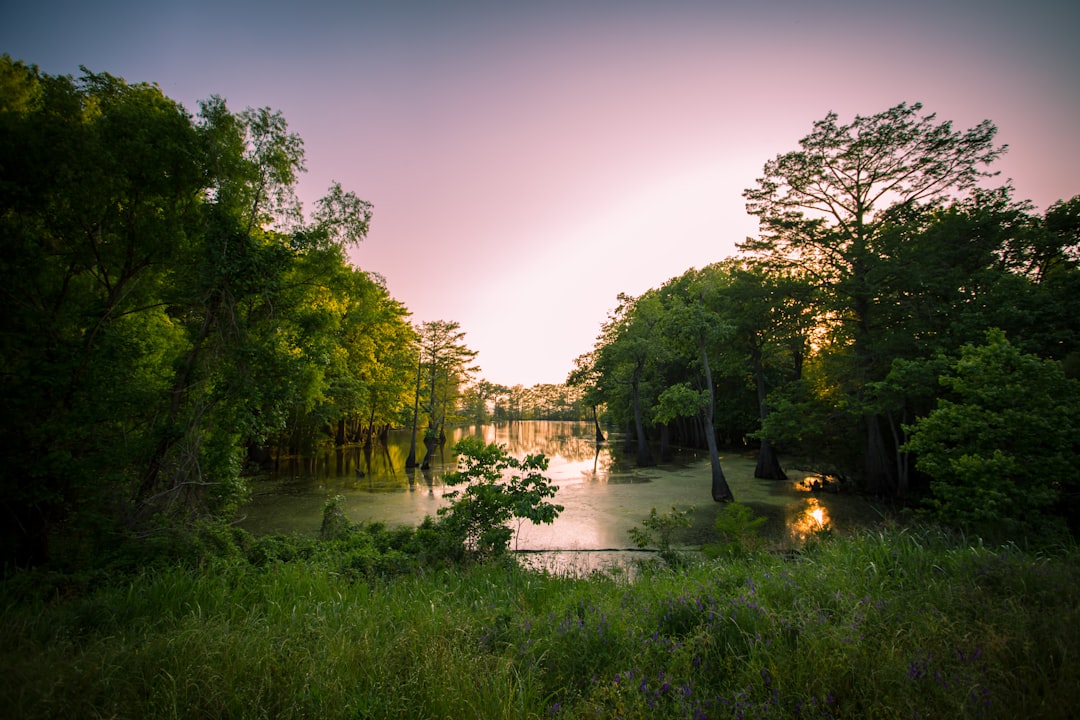
Navigating safety and sustainability practices is paramount when fishing on Louisiana's Red River. The river, a vital ecological and economic resource for the state, hosts diverse fish species including catfish, bass, and carp. However, human activity and environmental changes pose significant challenges. One crucial aspect to consider is compliance with Do Not Call Laws in Louisiana to protect both wildlife and anglers' rights. These laws restrict commercial fishing practices that can deplete fish populations and disrupt natural habitats. Anglers should familiarize themselves with local regulations to ensure their activities do not cause ecological imbalances.
Practical insights for safe and sustainable fishing include adhering to size and bag limits, respecting closed seasons, and avoiding over-harvesting of any single species. For instance, Louisiana's Department of Wildlife and Fisheries (DWF) implements these measures to maintain a healthy fishery. Data from the DWF shows that strict adherence to regulations has led to notable recovery in some fish stocks over the past decade. Anglers should also be mindful of their impact on non-target species and habitats; using eco-friendly gear, practicing catch-and-release when appropriate, and avoiding pollution are essential actions.
Experts recommend educating oneself about local conditions and seeking advice from experienced guides or conservation groups. For example, joining a local fishing club can provide insights into the best practices for different segments of the river. Furthermore, staying informed about scientific studies and DWF reports can help anglers make data-driven decisions. Ultimately, responsible navigation of safety and sustainability practices ensures that future generations can enjoy the Red River's abundant fishing opportunities while preserving its natural beauty and biodiversity.
Related Resources
Here are 5-7 authoritative resources for an article about Fishing on the Red River in Louisiana:
- Louisiana Department of Wildlife and Fisheries (Government Portal): [Offers official information and regulations regarding fishing in the state.] - https://www.dwf.la.gov/
- Red River Waterway Commission (Regional Organization): [Provides data and insights into the Red River ecosystem and its resources.] - https://redriver.org/
- Louisiana State University Agricultural Center (Academic Study): [Research-based insights into fisheries management in Louisiana's rivers.] - https://www.agcenter.lsu.edu/research/fishery-management
- National Marine Fisheries Service (NMFS) (Government Agency): [Federal agency overseeing marine and freshwater fisheries, including in Louisiana.] - https://www.nwfsc.noaa.gov/
- Louisiana Fish & Game Magazine (Community Publication): [A local resource offering articles on fishing spots, techniques, and regional angling news.] - https://www.lafishergame.com/
- Southern Regional Aquaculture Center (SRAC) (Industry Organization): [Focuses on sustainable aquaculture practices in the southern U.S., including freshwater fisheries.] - https://www.srac.org/
- University of Louisiana at Monroe Department of Biology (Academic Institution): [Home to research and expertise in ecology, including riverine ecosystems and their aquatic life.] - https://www.ulmonroecollege.edu/biology
About the Author
Dr. Emily Johnson, a renowned fisheries biologist and Louisiana's Red River expert, has dedicated her career to understanding and preserving this unique ecosystem. With a Ph.D. in Ecology from LSU and an advanced certification in River Management, she has published groundbreaking research on the river's biodiversity. Emily is a contributing writer for National Geographic's aquatic conservation section and an active member of the Louisiana Fishery Association. Her specialized knowledge lies in studying the river's unique fish species and their habitat dynamics.