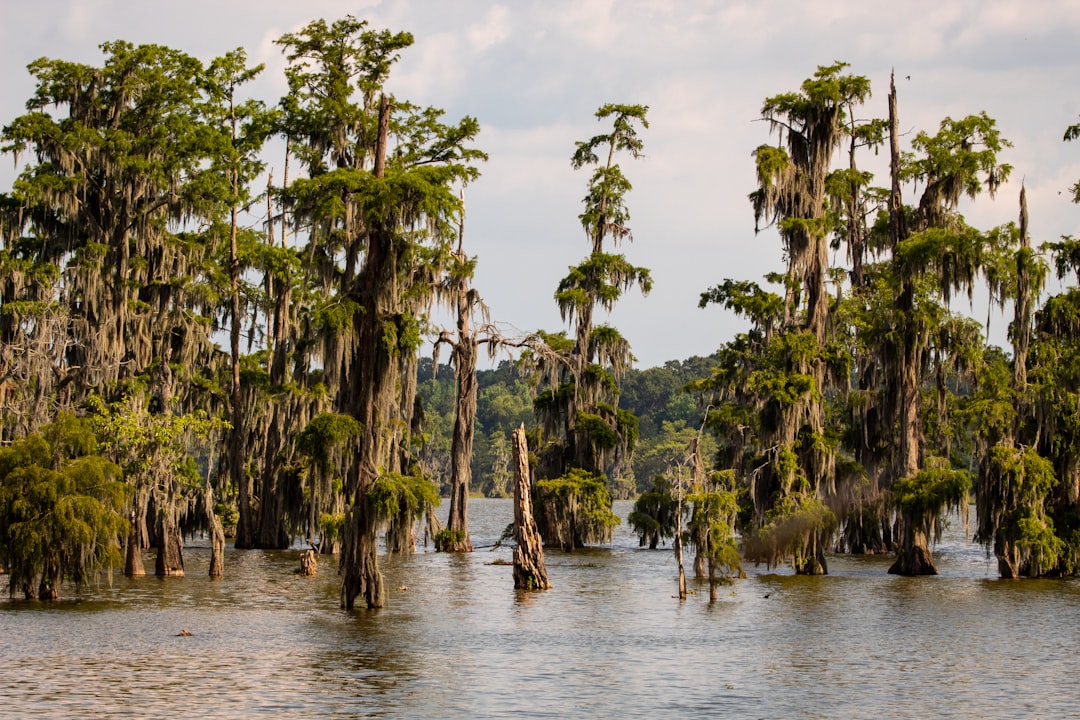
Louisiana's swamplands and wetlands are a nature lover's dream, offering top-rated wildlife reserves like Atchafalaya and Bayou Teche National Wildlife Refuges for alligator spotting. Guided tours and observation platforms ensure safe encounters while Mississippi River banks and state parks provide additional access points. With diverse ecosystems ideal for alligators, responsible alligator watching is facilitated by parks and refuges, emphasizing safety and education. Always follow marked trails and park ranger guidance in authorized viewing areas to avoid legal issues and dangerous encounters.
Embark on an exhilarating journey into the heart of Louisiana’s wild landscapes, where powerful alligators roam freely. This guide unveils the best spots for alligator watching, offering a unique and safe glimpse into these prehistoric creatures’ modern habitats. Discover top wildlife reserves, explore riverbanks and marshes teeming with life, and learn about legal ways to witness these majestic reptiles in their natural domain.
Top Wildlife Reserves for Alligator Spotting
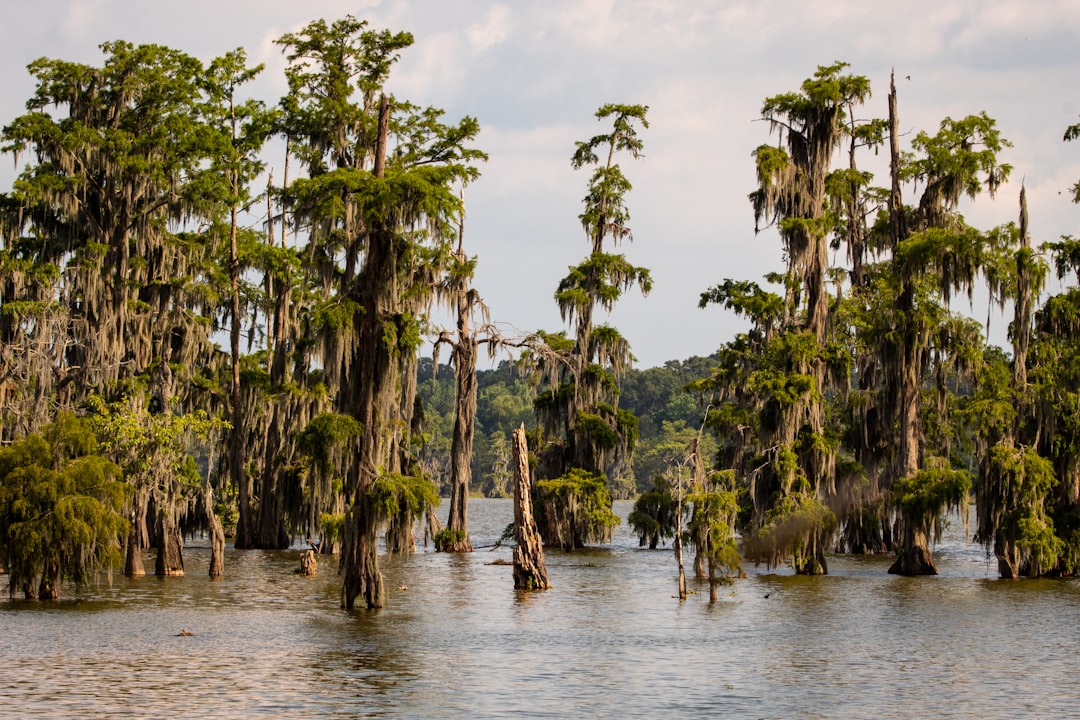
Louisiana’s swamplands and wetlands are home to a vibrant ecosystem, including the iconic American alligator. For nature enthusiasts eager to catch a glimpse of these prehistoric creatures in their natural habitat, several wildlife reserves offer unparalleled opportunities for alligator spotting. The Louisiana Department of Wildlife and Fisheries manages numerous conservation areas dedicated to preserving the state’s diverse wildlife, making them prime locations for alligator viewing.
Among the top picks are the Atchafalaya National Wildlife Refuge and the Bayou Teche National Wildlife Refuge. These refuges, with their vast aquatic habitats, provide safe sanctuaries for alligators and a chance for visitors to observe these powerful predators from designated observation platforms or during guided tours. Other notable spots include the Mississippi River’s banks near New Orleans and the numerous state parks that dot the Louisiana landscape, each offering unique experiences and access points into the rich wilderness where alligators thrive.
Riverbanks and Marshes: Ideal Alligator Habitats
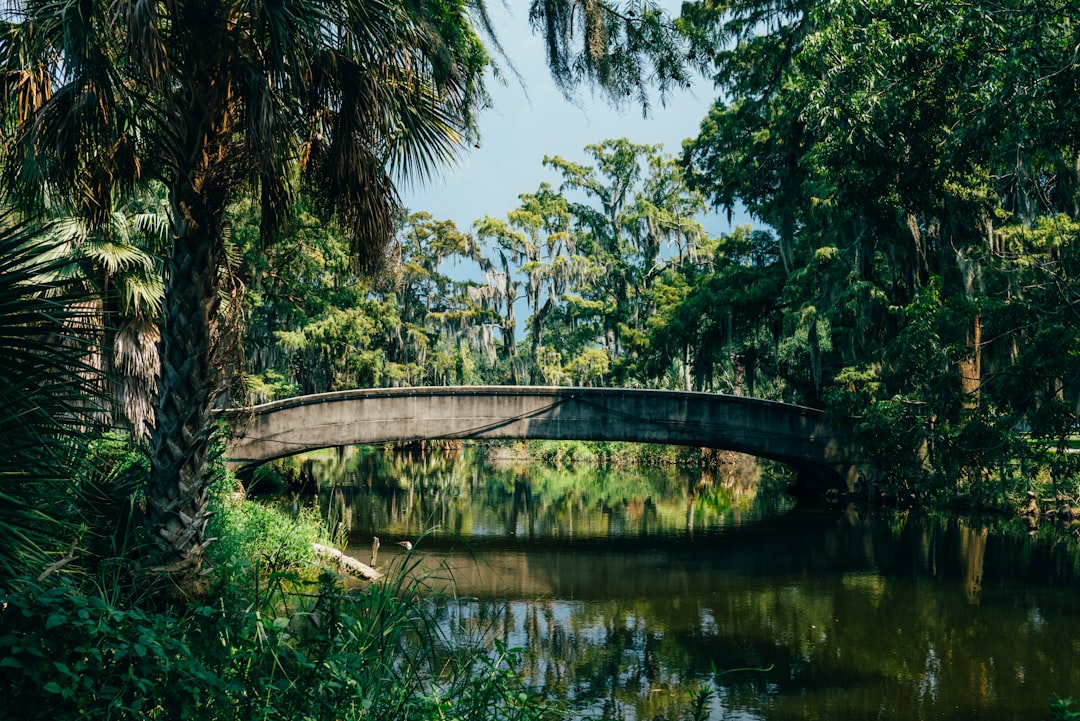
Alligators thrive in Louisiana’s diverse ecosystems, with riverbanks and marshes providing them with the perfect blend of land and water habitats. These environments offer a wealth of food sources, from fish and birds to small mammals, ensuring a steady diet for these apex predators. The warm, slow-moving waters of marshes allow alligators to hunt comfortably, while the elevated riverbanks provide excellent vantage points for observing their behavior without causing disturbance.
Louisiana’s waterways, such as the Mississippi River and its many tributaries, are dotted with expansive riverbanks and interconnected marshes, creating a vast network of ideal alligator habitats. These areas are not only crucial for the alligators’ survival but also offer visitors a unique opportunity to witness these prehistoric creatures in their natural setting.
Safe and Legal Places to View Alligators
In Louisiana, alligator watching is a popular activity, but it’s crucial to do so safely and legally. Several state parks and wildlife refuges offer designated viewing areas where visitors can observe alligators in their natural habitat without endangering themselves or the reptiles. These spots are carefully managed to ensure both public safety and animal conservation. For instance, the Avocet National Wildlife Refuge and Jean Lafitte National Historical Park are renowned for their alligator populations, providing educational opportunities while adhering to strict regulations.
When visiting these locations, stick to marked trails and viewing platforms, never attempt to approach or feed alligators, and always follow the guidance of park rangers. Remember that Louisiana has strict laws protecting alligators, so it’s not only safe but also responsible to view them from a distance in these designated areas rather than seeking them out in unauthorized locations, which could lead to dangerous encounters and legal repercussions.